2026 College Affordability Act: 4 Ways It Impacts Your Tuition

Anúncios
Latest developments on The 2026 College Affordability Act: 4 Ways It Impacts Your Tuition, with key facts, verified sources and what readers need to monitor next in Estados Unidos, presented clearly in Inglês (Estados Unidos) (en-US).
The 2026 College Affordability Act: 4 Ways It Impacts Your Tuition is shaping today’s agenda with new details released by officials and industry sources. This update prioritizes what changed, why it matters and what to watch next, in a straightforward news format.
Anúncios
Understanding the Core of the 2026 College Affordability Act
The recently proposed 2026 College Affordability Act represents a pivotal shift in how higher education is funded and accessed across the United States. This comprehensive legislation aims to address the rising cost of tuition, which has long been a significant barrier for many aspiring students.
At its heart, the Act seeks to alleviate financial burdens through a multi-faceted approach, encompassing changes to federal student aid, loan repayment structures, and direct institutional funding. The goal is to ensure that a college education remains within reach for a broader segment of the population, fostering both individual opportunity and national economic growth.
This initiative builds upon decades of policy discussions and public demand for more equitable and sustainable higher education financing. The provisions within the 2026 College Affordability Act are designed to create a more predictable and less daunting financial landscape for students and their families.
Anúncios
Federal Student Aid Overhaul: Pell Grants and Beyond
One of the most significant components of the 2026 College Affordability Act is its proposed overhaul of federal student aid programs, particularly the Pell Grant. This act aims to expand eligibility and increase the maximum award amount for Pell Grants, directly benefiting low and middle-income students.
The expansion is intended to cover a larger percentage of tuition and living expenses, reducing the need for students to take on substantial loans. This move recognizes the diminishing purchasing power of current Pell Grant awards and seeks to restore their original intent as a foundation for college affordability.
Beyond Pell Grants, the Act also introduces measures to simplify the Free Application for Federal Student Aid (FAFSA) process, making it more accessible and less confusing for applicants. These changes are crucial for ensuring that eligible students can easily access the financial support they are entitled to.
Expanded Pell Grant Eligibility
The 2026 College Affordability Act is poised to broaden the criteria for Pell Grant eligibility, allowing more students to qualify for this essential federal aid. This expansion is critical in addressing the evolving economic landscape and ensuring that financial assistance reaches those who need it most.
By adjusting income thresholds and dependency requirements, the Act aims to capture a wider demographic of students struggling with college costs. This means that families who previously found themselves just outside the eligibility range may now qualify for substantial support, directly impacting their ability to afford tuition.
Simplified FAFSA Application
A persistent hurdle for many students has been the complexity of the FAFSA application, often deterring eligible individuals from applying for aid. The 2026 College Affordability Act seeks to streamline this process significantly, making it more user-friendly and less time-consuming.
The proposed simplifications include reducing the number of questions, integrating data directly from tax records, and providing clearer guidance throughout the application. These changes are expected to increase FAFSA completion rates, thereby connecting more students with the financial aid necessary to cover their tuition.

Student Loan Reform: Lowering Debt Burdens
Student loan debt has reached unprecedented levels, becoming a major economic concern for millions of Americans. The 2026 College Affordability Act directly confronts this issue by proposing substantial reforms to federal student loan programs, aiming to lower the overall debt burden for graduates.
These reforms include caps on interest rates, expanded income-driven repayment plans, and more streamlined loan forgiveness pathways for public service workers. The intention is to make student loans more manageable and prevent borrowers from being trapped in cycles of debt for decades after graduation.
By addressing the principal and interest accrual mechanisms, the Act seeks to create a more equitable system where loan repayment is directly tied to a borrower’s earning potential. This shift is crucial for ensuring that pursuing higher education does not lead to insurmountable financial hardship.
Interest Rate Caps and Repayment Flexibility
A key provision within the 2026 College Affordability Act is the introduction of caps on federal student loan interest rates. This measure is designed to protect borrowers from excessive interest accumulation over the life of their loans, making repayment more predictable and affordable.
Alongside interest rate caps, the Act proposes enhanced flexibility in repayment plans, including more generous income-driven options that adjust monthly payments based on a borrower’s current income. These changes are vital for preventing defaults and ensuring that graduates can manage their loan obligations while pursuing their careers.
Expanded Loan Forgiveness Programs
The 2026 College Affordability Act also aims to strengthen and expand existing loan forgiveness programs, particularly for individuals in public service. The goal is to incentivize careers in high-need areas while providing a clear path to debt relief for those who dedicate their lives to serving their communities.
Proposed changes include simplifying eligibility requirements and improving the transparency of the application process for programs like Public Service Loan Forgiveness (PSLF). These enhancements are expected to make loan forgiveness more attainable, significantly impacting the financial well-being of eligible professionals and reducing their tuition-related debt.
Institutional Accountability and Tuition Cost Control
Beyond direct aid to students, the 2026 College Affordability Act also places a strong emphasis on institutional accountability. The legislation introduces measures designed to incentivize colleges and universities to control tuition costs and demonstrate value for their students.
This includes new reporting requirements on student outcomes, graduate employment rates, and the effectiveness of financial aid distribution. The aim is to create greater transparency in the higher education market, allowing prospective students and their families to make more informed decisions about where to invest their education dollars.
By tying federal funding to institutional performance and affordability metrics, the Act seeks to encourage universities to prioritize student success and cost-efficiency. This represents a significant shift towards holding institutions more responsible for the financial well-being of their graduates.
Performance-Based Funding Initiatives
The 2026 College Affordability Act introduces innovative performance-based funding initiatives for educational institutions. Under these provisions, a portion of federal funding for colleges and universities will be contingent upon their ability to meet specific metrics related to student success, retention, and graduation rates.
This approach aims to encourage institutions to invest more effectively in student support services and academic programs that lead to positive outcomes. Ultimately, this can translate into better value for students and a more efficient use of taxpayer dollars, directly influencing the overall cost of tuition.
Transparency in Tuition and Fees
A critical aspect of the 2026 College Affordability Act is its focus on increasing transparency regarding college tuition and fees. The legislation mandates clearer and more standardized reporting of all costs associated with attendance, including tuition, fees, room, board, and other expenses.
This enhanced transparency will empower students and families to compare institutions more effectively and understand the true cost of their education upfront. By shining a light on institutional spending and pricing practices, the Act hopes to exert downward pressure on tuition increases and promote greater accountability in the higher education sector.
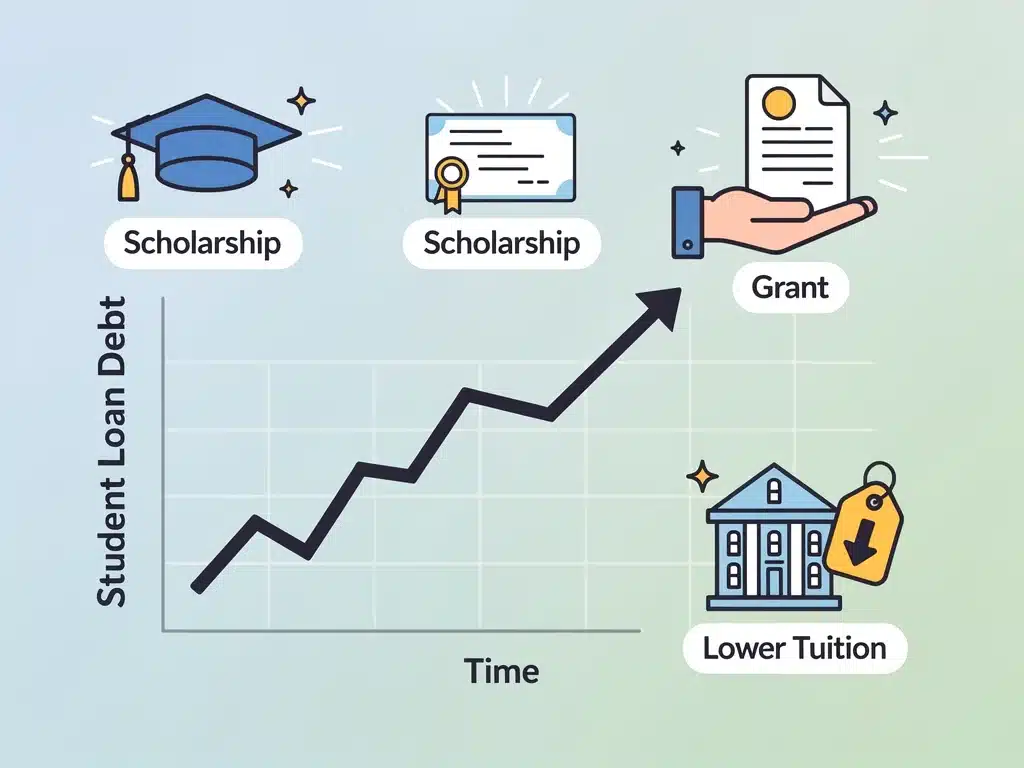
New Grant Programs for High-Demand Fields
Recognizing the evolving needs of the workforce, the 2026 College Affordability Act proposes the establishment of new grant programs specifically targeted at students pursuing degrees in high-demand fields. These fields often include STEM (Science, Technology, Engineering, and Mathematics), healthcare, and skilled trades.
The intention behind these targeted grants is twofold: to incentivize students to enter critical sectors of the economy and to alleviate the financial burden of obtaining specialized education. By providing direct financial support, the Act aims to address labor shortages and bolster national competitiveness.
These grants are designed to be stackable with other forms of federal aid, providing a significant financial advantage for students choosing these vital career paths. This strategic investment in human capital is a key feature of the broader goals of the 2026 College Affordability Act.
Incentivizing STEM Education
The 2026 College Affordability Act places a particular emphasis on encouraging students to pursue STEM education. New grant programs will offer substantial financial incentives for those enrolling in science, technology, engineering, and mathematics programs, fields critical for innovation and economic growth.
These grants aim to offset the often-higher costs associated with specialized STEM curricula and equipment, making these demanding fields more accessible. By reducing the financial barrier, the Act seeks to cultivate a robust pipeline of skilled professionals, directly impacting the nation’s future technological capabilities and research advancements.
Support for Healthcare and Skilled Trades
Beyond STEM, the 2026 College Affordability Act also introduces dedicated grant funding for students pursuing careers in healthcare and skilled trades. These sectors are experiencing significant workforce shortages, and the Act recognizes the urgent need to bolster their ranks.
Grants for healthcare students will help address the costs of medical, nursing, and allied health programs, while those for skilled trades will support training in areas like welding, plumbing, and electrical work. This targeted support will ensure that essential services are maintained and that individuals can access affordable training for well-paying jobs, further enhancing the impact of the 2026 College Affordability Act on tuition.
Impact on Private vs. Public Institutions
The provisions of the 2026 College Affordability Act are expected to have varied impacts on private and public educational institutions. While federal aid programs like Pell Grants apply broadly, certain accountability measures and funding incentives may influence institutional behavior differently.
Public universities, often more reliant on state and federal funding, may find themselves more directly influenced by performance-based metrics and tuition control initiatives. Private institutions, with different funding models, might focus more on demonstrating value and outcomes to attract students who benefit from enhanced federal aid.
Ultimately, the Act aims to create a more competitive and transparent higher education landscape, encouraging all institutions to prioritize affordability and student success. This nuanced approach acknowledges the diverse ecosystem of colleges and universities across the nation, ensuring broad application of the 2026 College Affordability Act.
Preparing for the 2026 College Affordability Act
As the implementation date for the 2026 College Affordability Act approaches, current and prospective students, along with their families, should begin to prepare for these significant changes. Understanding the new federal aid landscape and loan reforms will be crucial for navigating college financing effectively.
Monitoring official announcements from the Department of Education and financial aid offices will provide the most up-to-date information on eligibility requirements and application procedures. Proactive engagement with these resources can help maximize the benefits available under the new legislation.
Educational institutions are also preparing to adapt their financial aid strategies and reporting mechanisms to align with the Act’s provisions. Staying informed about how specific colleges are responding to the 2026 College Affordability Act will be an important step for future applicants.
Long-Term Economic and Social Implications
The long-term economic and social implications of the 2026 College Affordability Act are far-reaching. By making higher education more accessible and affordable, the Act is expected to boost educational attainment rates, leading to a more skilled workforce and increased economic productivity.
Reduced student loan debt could free up graduates to invest in homes, start businesses, and contribute more significantly to the economy, fostering broader economic growth. Socially, greater access to education can reduce inequality and create more pathways to upward mobility for underserved communities.
These systemic changes are not merely about individual tuition costs but about strengthening the fabric of American society and its future prosperity. The 2026 College Affordability Act represents a strategic investment in the nation’s human capital and its competitive edge on the global stage.
| Key Impact Area | Brief Description |
|---|---|
| Federal Aid Expansion | Increased Pell Grant eligibility and award amounts. |
| Student Loan Reforms | Lower interest rates and expanded income-driven repayment. |
| Institutional Accountability | New metrics for tuition control and transparency. |
| Targeted Grant Programs | New grants for high-demand fields like STEM and healthcare. |
Frequently Asked Questions About the 2026 College Affordability Act
The Act aims to significantly expand Pell Grant eligibility and increase the maximum award amount. This is designed to cover a larger portion of tuition and living expenses for low and middle-income students, making college more accessible and reducing reliance on loans.
The 2026 College Affordability Act proposes caps on federal student loan interest rates. This measure is intended to make loan repayment more predictable and affordable, preventing excessive interest accumulation and easing the financial burden on borrowers after graduation.
Yes, the Act includes provisions to streamline the FAFSA application. This involves reducing the number of questions and integrating tax data directly, aiming to make the process less confusing and more accessible for all applicants seeking federal financial aid.
Absolutely. The 2026 College Affordability Act introduces new grant programs for students pursuing degrees in high-demand fields such as STEM, healthcare, and skilled trades. These grants aim to incentivize entry into critical sectors and alleviate associated education costs.
The Act introduces new institutional accountability measures, including reporting requirements on student outcomes and graduate employment rates. It also proposes performance-based funding, incentivizing colleges to control tuition costs and demonstrate greater value for students.
Looking Ahead: The Future of College Affordability
The 2026 College Affordability Act marks a significant legislative effort to reshape the landscape of higher education financing. Its comprehensive approach, from federal aid enhancements to institutional accountability, aims to make college more accessible and sustainable for future generations. As the Act moves towards full implementation, continued monitoring of its effects on tuition, student debt, and educational outcomes will be essential. This legislation is poised to have a lasting impact on how Americans pursue and achieve their academic aspirations, directly influencing the economic well-being of individuals and the nation as a whole.