FTC Regulations 2026: Hidden Subscription Fees Uncovered
Anúncios
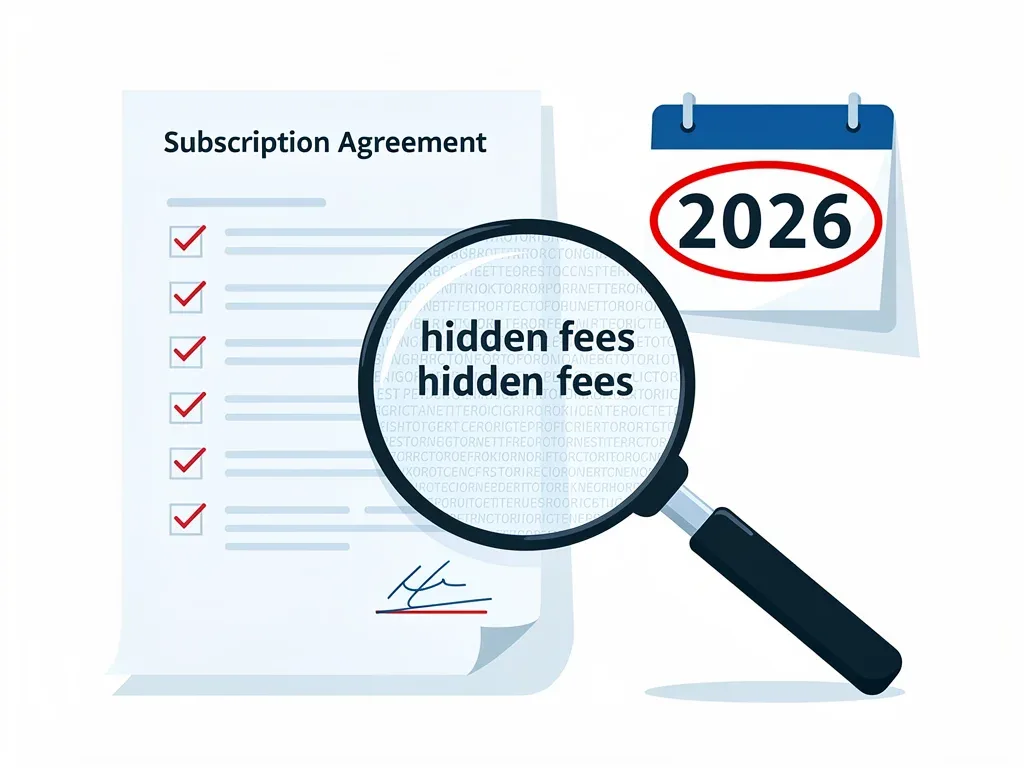
Tired of endless recurring charges that are nearly impossible to cancel? Under updated FTC Regulations, federal consumer protections now make recurring digital memberships far more transparent and straightforward.
New federal compliance mandates require subscription services to offer clear cancellation methods, stopping unexpected auto-renewals before they hit your account. Companies can no longer hide fine print conditions or bury monthly service charges behind multi-step opt-out hurdles.
Understanding these new consumer rights helps you audit your monthly billing statements, cancel unwanted plans instantly, and avoid deceptive recurring billing practices.
Understanding the New FTC Regulations
The Federal Trade Commission (FTC) recently announced significant new regulations set to take effect in 2026, directly addressing the pervasive issue of hidden subscription fees. These regulations aim to enhance transparency and provide consumers with greater control over their recurring charges.
Millions of consumers in the United States have long struggled with opaque subscription practices, often finding themselves enrolled in services they did not explicitly agree to or facing difficulties in canceling. The impending changes are designed to rectify these long-standing problems.
Industry experts and consumer advocacy groups have largely welcomed the move, recognizing the potential for a fairer marketplace. The focus of these regulations is to ensure businesses provide clear, conspicuous disclosures and simplify cancellation processes.
The push for these regulations stems from a growing number of complaints regarding 'dark patterns' and deceptive billing. The FTC's proactive stance reflects a commitment to protecting consumers from practices that exploit behavioral biases and lack of information.
This initiative is not merely about penalties; it's about establishing a new standard for how subscription-based businesses operate. Compliance will require substantial adjustments for many companies, particularly those relying on complex enrollment and cancellation procedures.
The ultimate goal is to foster an environment where consumers can make informed decisions without fear of being trapped by undisclosed costs or cumbersome exit strategies. The FTC hidden subscription fees crackdown is a pivotal moment for consumer rights.
Key Provisions of the 2026 Regulations
The new regulations introduce several critical provisions that businesses must adhere to, fundamentally altering the landscape of subscription services. These provisions are designed to tackle the most common complaints from consumers regarding recurring charges.
One of the central tenets is the requirement for clear and conspicuous disclosure of all material terms before a consumer commits to a subscription. This includes the total cost, renewal dates, and how to cancel the service, presented in an easy-to-understand format.
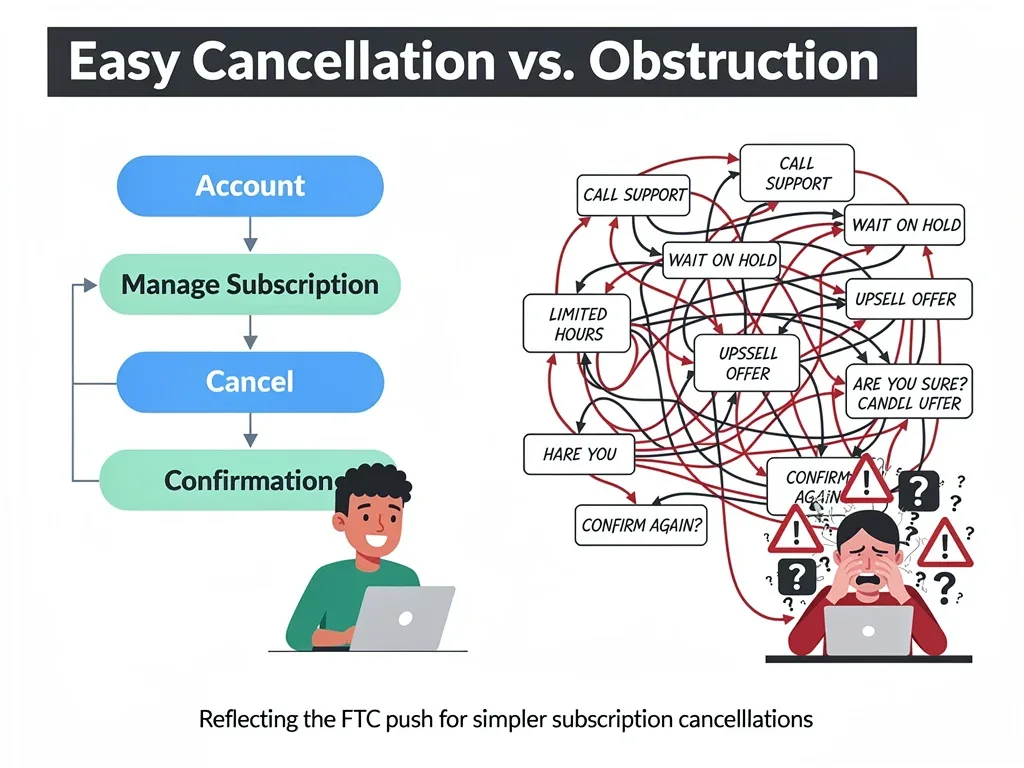
Another significant change targets the 'click-to-cancel' rule, mandating that companies provide a cancellation method that is at least as simple as the enrollment process. This directly addresses the frustration many consumers experience when trying to end a subscription.
Mandatory Disclosure Requirements
All pricing, terms, and conditions must be presented clearly and prominently.
Renewal dates and frequency of charges must be explicitly stated.
Information on how to cancel must be easily accessible before signing up.
The regulations also empower the FTC to levy substantial fines against companies that fail to comply, providing a strong deterrent against deceptive practices. This financial incentive for compliance is expected to drive widespread adoption of the new standards.
Furthermore, businesses will be prohibited from misrepresenting material information about their subscription services. This includes avoiding ambiguous language or design elements intended to mislead consumers into signing up for unwanted services.
The enforcement of these provisions will be crucial in restoring consumer trust and ensuring that the digital marketplace operates with integrity. The focus on transparency and ease of cancellation marks a significant win for consumer advocates battling FTC hidden subscription fees.
Impact on Businesses and Industry Practices
The implementation of the New 2026 FTC Regulations will necessitate substantial operational and strategic changes for businesses across various sectors. Companies relying heavily on subscription models, from streaming services to software providers, will need to re-evaluate their current practices.
Many businesses may need to overhaul their onboarding and cancellation workflows, investing in new technologies or redesigning user interfaces to meet the transparency and ease-of-cancellation requirements. This could involve significant upfront costs and resource allocation.
The regulations are expected to level the playing field, creating a more competitive environment where businesses must genuinely earn and retain customer loyalty, rather than relying on difficult cancellation processes or unclear terms. This shift could lead to more innovative and customer-centric service offerings.
Operational Adjustments for Companies
Redesigning sign-up flows for explicit consent and clear disclosures.
Implementing simplified, one-click or easy-access cancellation mechanisms.
Training customer service teams on new compliance protocols and transparency standards.
Smaller businesses and startups might face particular challenges in adapting to the new rules due to limited resources. However, early adoption and proactive compliance could also serve as a competitive advantage, building trust with consumers.
Legal and compliance departments within companies will be tasked with reviewing all existing subscription agreements, marketing materials, and user interfaces to ensure full adherence. Non-compliance could result in hefty penalties, making thorough preparation essential.
Ultimately, these regulations aim to foster a business environment where ethical practices are the norm, benefiting both consumers and reputable businesses. The FTC hidden subscription fees crackdown will redefine industry standards for recurring charges.
Consumer Rights and Protections Enhanced
The New 2026 FTC Regulations represent a significant advancement in consumer rights and protections. These rules are specifically designed to empower individuals and safeguard them from exploitative practices.
Consumers will gain unprecedented clarity regarding the terms of their subscriptions, allowing them to make truly informed decisions before committing to any recurring payment. This transparency is a cornerstone of the new regulatory framework.
The 'click-to-cancel' provision is particularly impactful, addressing a long-standing grievance where consumers often faced labyrinthine processes to discontinue services. This change ensures that ending a subscription is as straightforward as starting one.
Key Consumer Benefits
Increased transparency in subscription terms and pricing.
Empowerment through simplified and accessible cancellation methods.
Protection against deceptive marketing and undisclosed charges.
These enhanced protections mean consumers can subscribe to services with greater confidence, knowing they are shielded from unexpected charges or involuntary renewals. The burden of proof will increasingly fall on businesses to demonstrate explicit consent.
The FTC's commitment to robust enforcement further strengthens these rights, providing consumers with a clear avenue for recourse if companies fail to comply. Reporting non-compliant businesses will be an important part of upholding these new standards.
For millions of Americans, these regulations signal a new era of fairness and accountability in the subscription economy, directly confronting the issue of FTC hidden subscription fees.

The Role of 'Dark Patterns' in Subscription Practices
The FTC's new regulations pay particular attention to the use of 'dark patterns'—deceptive user interface designs intended to trick users into making decisions they wouldn't otherwise make. These tactics have been a major contributor to the proliferation of FTC hidden subscription fees.
Dark patterns often manifest as confusing cancellation flows, pre-checked boxes for additional services, or deliberately obscure pricing information. The new rules explicitly aim to eliminate these manipulative design elements.
By requiring clear, unambiguous language and straightforward processes, the FTC seeks to dismantle the psychological tricks businesses have employed to boost subscription numbers and reduce churn. This is a direct attack on unethical design practices.
Common Dark Patterns Targeted
Bait-and-switch tactics for subscription tiers.
Hidden fees disclosed only in fine print.
Convoluted cancellation pathways requiring multiple steps or phone calls.
The regulations will compel companies to prioritize user experience and ethical design over deceptive growth hacks. This shift will require designers and product managers to rethink how they present subscription options and manage customer relationships.
The crackdown on dark patterns reflects a broader regulatory trend towards greater digital ethics and consumer autonomy online. It underscores the importance of transparent design in fostering trust and fair competition.
Consumers can look forward to a more honest and user-friendly digital environment, where the intent is to inform rather than to trick. The fight against FTC hidden subscription fees is deeply intertwined with eliminating these deceptive design practices.
Timeline and Enforcement Expectations
The New 2026 FTC Regulations will officially take effect in 2026, providing businesses with a substantial lead time to adjust their operations. This period is crucial for ensuring widespread compliance.
While the effective date is in 2026, the FTC has already begun issuing guidance and warnings, indicating its serious intent to enforce these rules. Companies are advised to start their compliance efforts immediately to avoid last-minute rush and potential penalties.
Enforcement is expected to be robust, with the FTC utilizing its full authority to investigate and prosecute violations. This includes monetary penalties, injunctions, and requirements for restitution to affected consumers.
Stages of Implementation
Early 2025: Continued FTC guidance and educational outreach to businesses.
Throughout 2025: Businesses begin internal reviews and operational adjustments.
January 2026: Regulations officially take effect, full enforcement begins.
The FTC is likely to prioritize cases involving egregious violations or companies with a history of consumer complaints related to subscription practices. This strategic approach will send a clear message to the industry.
Consumer reporting will also play a vital role in identifying non-compliant businesses, providing the FTC with valuable intelligence for its enforcement actions. Consumers are encouraged to report any instances of deceptive practices they encounter.
The long lead time for these regulations emphasizes the FTC's desire for comprehensive industry-wide change, making the fight against FTC hidden subscription fees a top priority.
Preparing for the 2026 Changes
For both businesses and consumers, preparation is key to navigating the upcoming New 2026 FTC Regulations. Proactive steps can mitigate risks for companies and empower consumers.
Businesses should conduct thorough audits of their subscription processes, from initial sign-up to cancellation, ensuring every step aligns with the new transparency and ease-of-use requirements. Legal counsel specializing in consumer protection will be invaluable.
Consumers, on the other hand, should familiarize themselves with their new rights and remain vigilant. Understanding what constitutes a clear disclosure or an easy cancellation process will enable them to identify and report potential violations.
Recommendations for Businesses
Review all subscription contracts and terms for compliance with disclosure rules.
Simplify cancellation procedures to meet the 'click-to-cancel' standard.
Train marketing and customer service teams on the new regulatory landscape.
Staying informed through official FTC announcements and industry updates will be crucial for all stakeholders. The regulatory environment is dynamic, and continuous monitoring will ensure ongoing compliance and protection.
The shift towards greater transparency will ultimately benefit the entire ecosystem by fostering trust and reducing consumer frustration. Companies that embrace these changes early are likely to build stronger, more loyal customer bases.
The proactive approach to these regulations will define success for businesses and empower consumers in the ongoing battle against FTC hidden subscription fees.
Long-Term Implications for the Subscription Economy
The New 2026 FTC Regulations will have profound and lasting implications for the entire subscription economy. This regulatory shift is not a temporary measure but a foundational change.
In the long term, these regulations are expected to drive innovation in customer retention strategies, moving away from relying on friction and towards genuine value proposition. Businesses will need to focus more on providing excellent service and compelling content.
The enhanced trust resulting from greater transparency and easier cancellations could paradoxically lead to a more robust subscription market, as consumers become more willing to engage with services they know they can easily manage.
Future Market Trends
Increased focus on customer satisfaction and retention through value.
Potential for new business models that prioritize transparency by design.
Greater consumer confidence leading to broader adoption of subscription services.
The regulations may also inspire similar legislative efforts in other countries or at the state level, creating a global trend towards stronger consumer protections in the digital subscription space. This could standardize ethical practices worldwide.
Ultimately, the goal is to create a sustainable subscription economy built on fairness and mutual respect between businesses and consumers. The era of exploiting hidden fees and difficult cancellations is drawing to a close.
This transformative period will redefine how companies interact with their subscribers, making the issue of FTC hidden subscription fees a relic of the past, replaced by clarity and consumer empowerment.
Key Point | Brief Description |
|---|---|
Effective Date | New FTC regulations targeting hidden fees take effect in 2026. |
Core Focus | Mandates clear disclosures and simplified cancellation processes for subscriptions. |
Consumer Impact | Enhanced protection against deceptive practices and unwanted charges. |
Business Response | Requires operational adjustments and ethical design shifts for compliance. |
Frequently Asked Questions About FTC Subscription Regulations
What exactly are the new 2026 FTC regulations targeting?▼
The new regulations specifically target hidden subscription fees and deceptive enrollment practices. They aim to ensure consumers receive clear, conspicuous disclosures of all material terms before subscribing and can cancel services as easily as they signed up.
When do these new FTC rules officially go into effect?▼
The 2026 FTC regulations are set to officially take effect in the year 2026. This provides businesses with ample time to review their current practices and implement necessary changes to comply with the new consumer protection standards.
How will these regulations benefit consumers in the United States?▼
Consumers will benefit from increased transparency, making it easier to understand subscription costs and terms. They will also gain the right to simpler cancellation processes, protecting them from unwanted recurring charges and 'dark patterns' used by some companies.
What does 'click-to-cancel' mean under the new rules?▼
'Click-to-cancel' mandates that businesses offer a cancellation method that is at least as straightforward as the method used to subscribe. This aims to eliminate convoluted processes that make it difficult for consumers to stop recurring payments.
What should businesses do to prepare for the 2026 FTC regulations?▼
Businesses should conduct comprehensive audits of their subscription sign-up and cancellation flows. They need to ensure full transparency in disclosures and simplify their cancellation procedures to align with the FTC's new requirements to avoid potential penalties.
What this means for the future
The New 2026 FTC Regulations signals a pivotal shift towards greater accountability in the subscription economy. This move by the FTC will redefine the relationship between consumers and businesses offering recurring services, emphasizing transparency and ease of management.
As these regulations approach, both consumers and businesses must remain informed and proactive. Consumers should understand their enhanced rights, while companies must adapt to the new standards to ensure compliance and maintain customer trust.
The long-term impact promises a fairer digital marketplace, where ethical practices and genuine value drive consumer engagement, ultimately benefiting all stakeholders by fostering a more trustworthy and sustainable subscription environment.